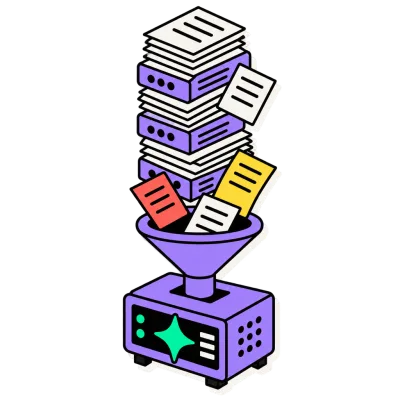
Far more information
Every config, every log and all the existing docs get read in full instead of skimmed. Decisions are based on the whole system, not on whatever there was time to look at.
Corpoddon supports organisations in the design, migration and operation of their cloud infrastructure. European providers first (Scaleway, Hetzner, OVH, Clever Cloud), complemented by AWS or Azure when needed, together with Proxmox, on-premise and hybrid setups. Clients in France, Germany and across Europe.
I build infrastructure with AI agents, which makes things a lot faster. Nothing ships until I’ve read and tested it.

I use AI agents every day: to write Terraform, comb through a config or draft a runbook. It saves me a lot of time, and saves you money. But I read, test and understand everything before it reaches a client.
An infrastructure means thousands of lines of configuration, months of logs and documentation scattered all over the place. Nobody has time to read all of it carefully. An AI does. That is where it really makes a difference.
Every config, every log and all the existing docs get read in full instead of skimmed. Decisions are based on the whole system, not on whatever there was time to look at.
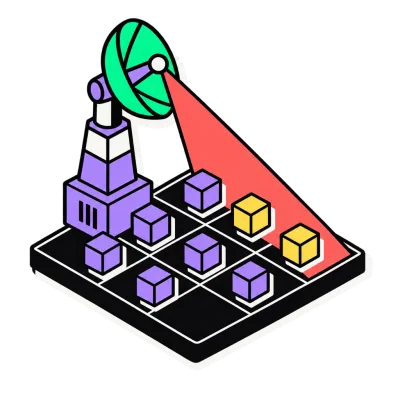
A forgotten firewall rule, a bucket left public, a dependency hanging by a thread: AI explores the leads nobody would have thought to check. Then I verify everything it brings up.
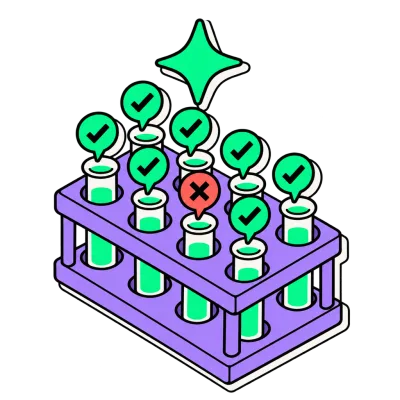
When AI drafts a test, writing one more costs almost nothing. So we cover edge cases, failures and rollbacks instead of stopping at the scenario where everything goes right.
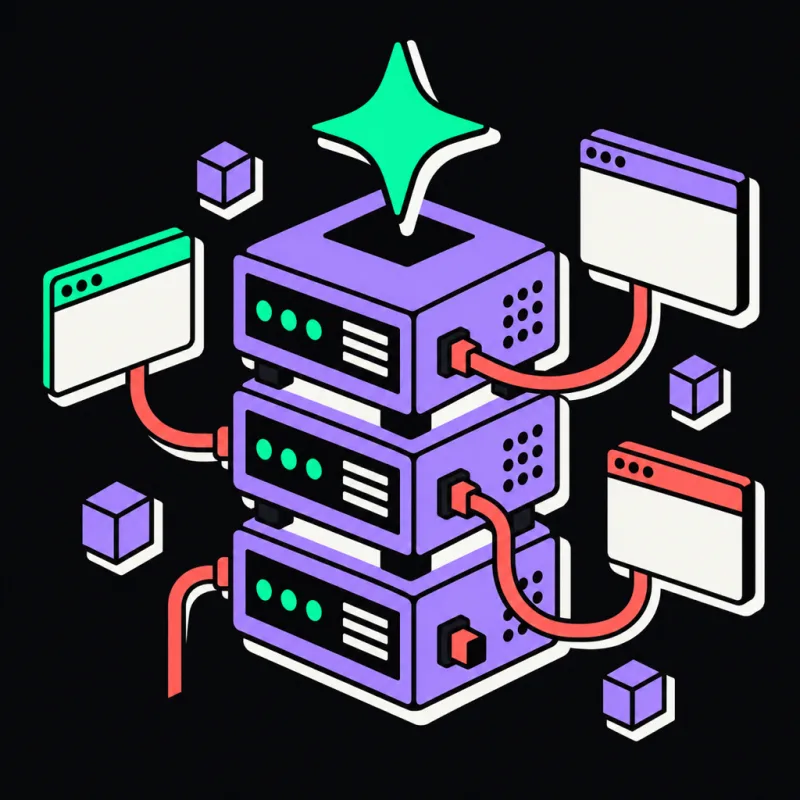
Agents produce a first draft of Terraform, Ansible or Kubernetes manifests from the spec. I review it and test it before it gets anywhere near production.
An automated first pass over configs, IAM permissions and network rules catches what you miss in hour five of reading. Then I sort through it and decide what actually matters.
Runbooks, diagrams and reports are updated with every change, then reviewed. You don’t inherit a wiki nobody has touched in two years.
AI helps me dig through bills and metrics to find oversized instances, forgotten resources and workloads that could run on spot.
Nothing ships until I’ve reviewed it. And if something breaks, you call me, not a language model.
Each engagement starts with a written scope and ends with documented, reproducible infrastructure. No black boxes.

Reference architectures, technical specifications, capacity sizing and migration plans. Engineering deliverables you can hand to any operator.
Research and development of innovative products and solutions. Prototyping, technology scouting, proof-of-concept engagements, and taking promising ideas from lab to production.
Infrastructure choices grounded in sustainability. Workload placement on regions and providers served by low-carbon electricity grids, energy-efficient sizing, and a measurable CO₂ footprint for every deployment.
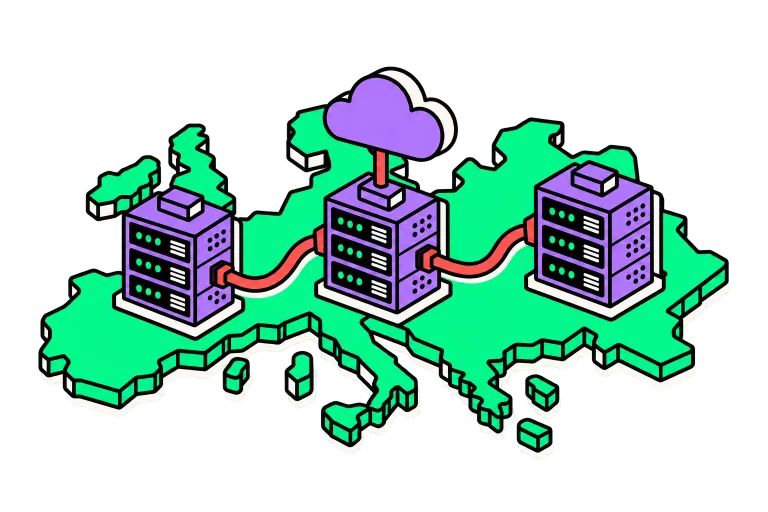
Infrastructure decisions that keep data, code and operations inside Europe. Priority to European providers (Scaleway, Hetzner, OVH, Clever Cloud) and EU-resident regions on hyperscalers, with staged migration paths when data sovereignty becomes a requirement.
Scalable, secure architectures with a European-first bias (Scaleway, Hetzner, OVH, Clever Cloud), opening to AWS or Azure when the use-case demands it. On-premise and hybrid topologies tailored to regulatory and cost constraints.
Custom on-premise and bare-metal solutions. They make the most sense for workloads with heavy egress, where cloud bandwidth pricing becomes the economic bottleneck. Proxmox VE clusters, VM and container orchestration, high-availability setups, backup strategies.
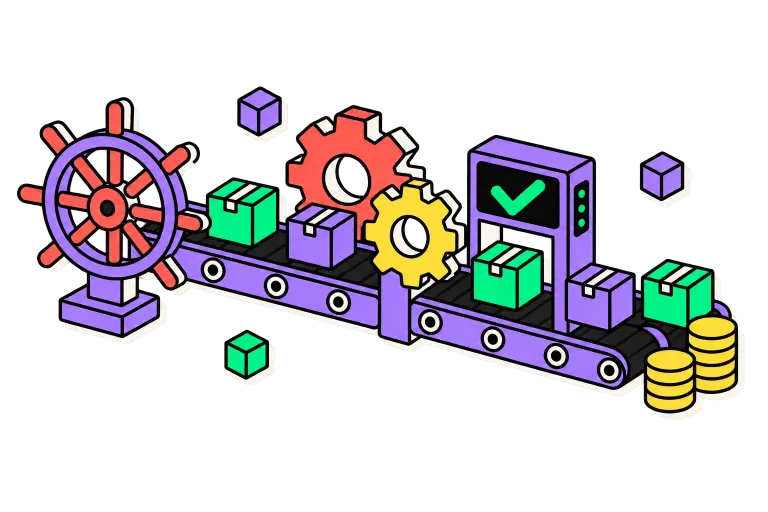
End-to-end CI/CD pipelines on GitLab and GitHub. Infrastructure as Code with Terraform and Ansible, Kubernetes, Docker, GitOps workflows and reproducible deployments.
Kubernetes clusters built outside the hyperscaler comfort zone: bare-metal, on-premise, or on European providers. Distribution selection (K3s, Talos, RKE2, vanilla k8s), lifecycle and upgrade strategies, storage and networking without AWS/Azure lock-in.
Aggressive use of spot, preemptible and reserved instances across providers (AWS, GCP, Scaleway, Hetzner, OVH). Workload scheduling, budget guardrails and cost observability, so cloud bills stay predictable as infrastructure grows.
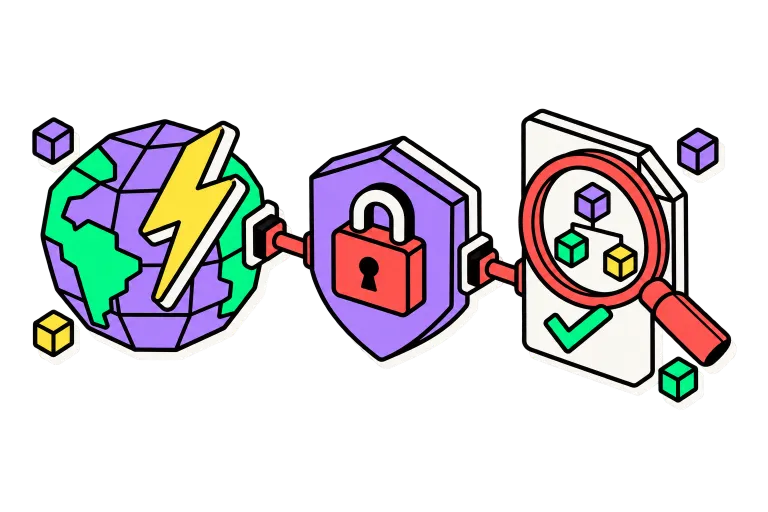
Global content delivery and edge computing. CDN architecture, cache strategies, serverless edge functions and end-to-end performance work.
Security baselines, identity and access management, network segmentation and GDPR / DSGVO compliance for cloud and hybrid setups.
Architecture reviews, technology selection, technical due diligence and second-opinion engagements for ongoing projects.

You walk me through your context, in writing or on a call, and we agree on the scope and on what success will look like.
AII have your existing docs summarised so I show up to the first call having read everything.
Target architecture, sizing, provider selection and the migration plan.
AISeveral options compared and costed before we decide.
Infrastructure as Code, CI/CD pipelines, tests, then a migration in stages.
AIAI writes the first draft of the IaC and tests, I review every line.

Monitoring, security, cost tracking, and a handover so your team can run it without me.
AIRunbooks and reports write themselves, and alerts arrive with their context.
Spend enough time debugging networks and you end up building your own tools. Here are two you can use right now.

Your public IP address, no frills. Plain text for your scripts, or JSON with country, city, ASN and network operator.
$ curl ip.alo.is
…
$ curl ip.alo.is/json | jq .org
…

A traceroute in your pocket: follow your network packets hop by hop, right from your iPhone. No account, no tracking, no ads.
 05Contact
Tell me in a few lines about the system you are building or operating, and what is getting in the way. I reply within two working days.
Emailhello@alo.isOffice Freiburg im Breisgau, Germany